Club Technology
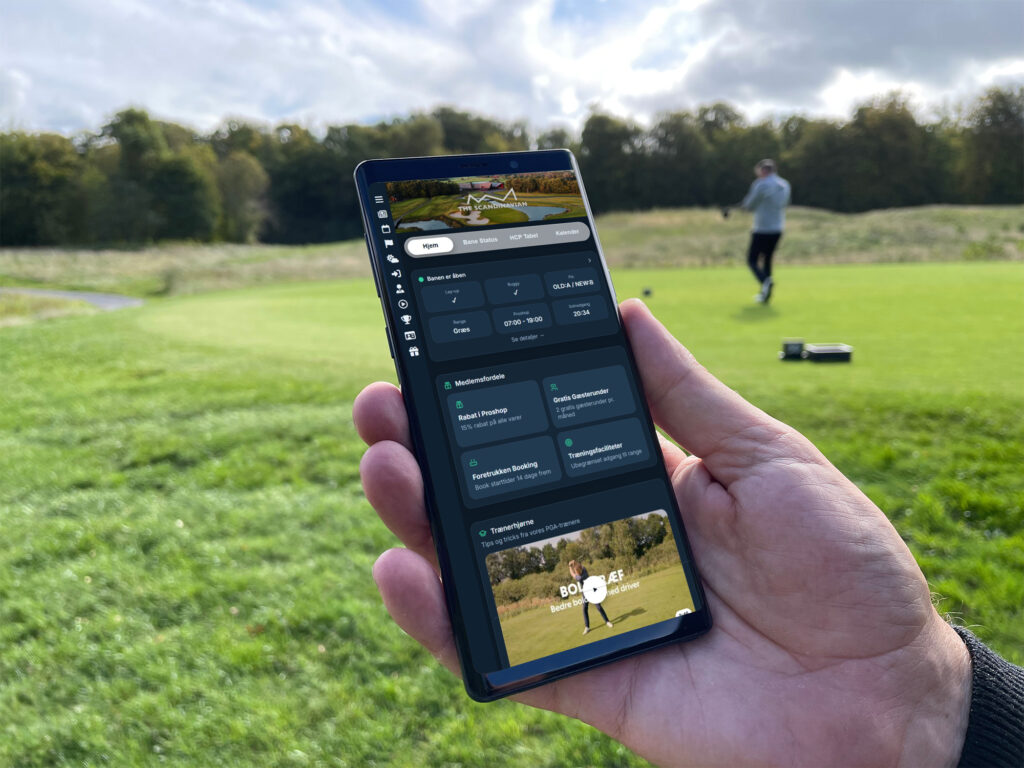
A Golf Club App Should Be a Tool, Not a Brochure
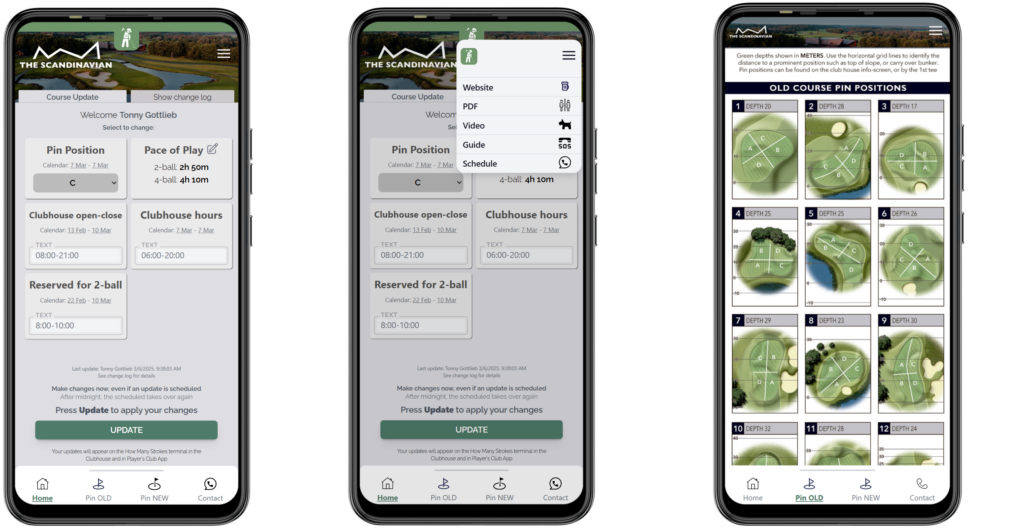
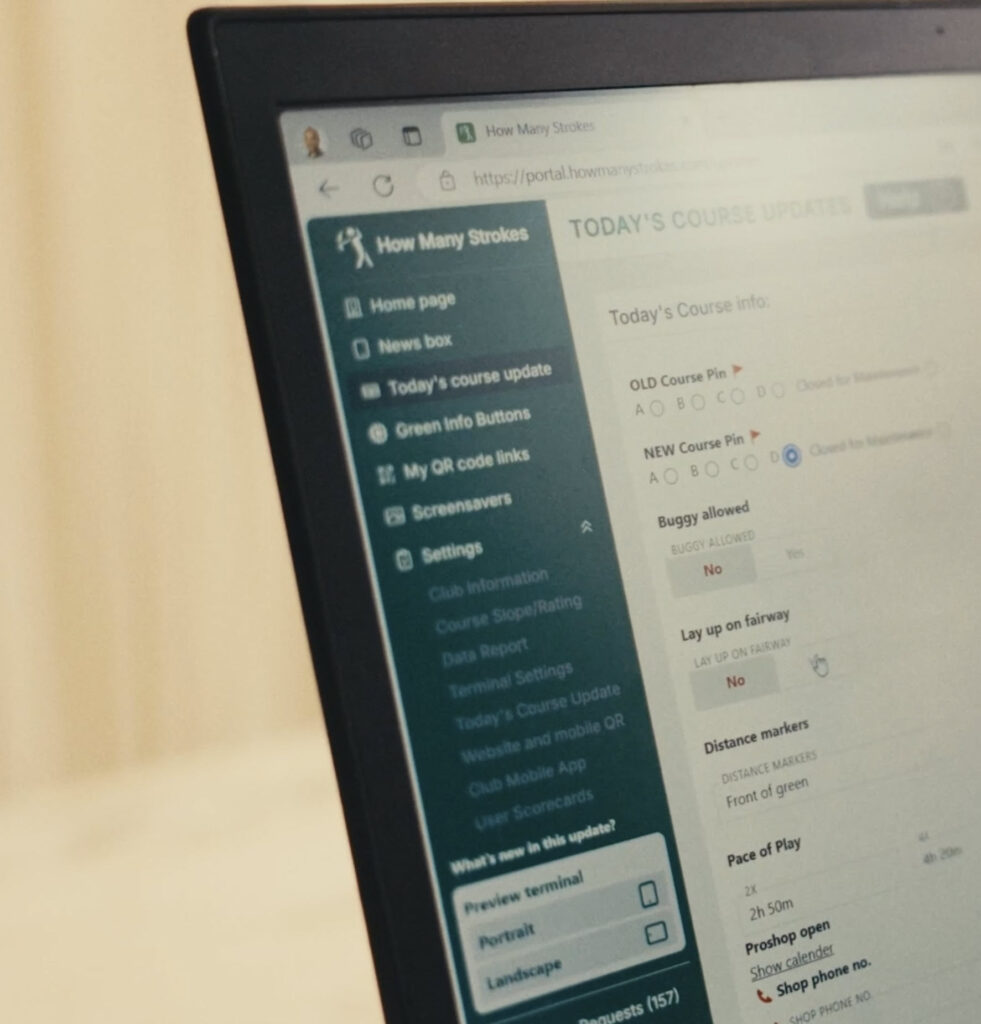
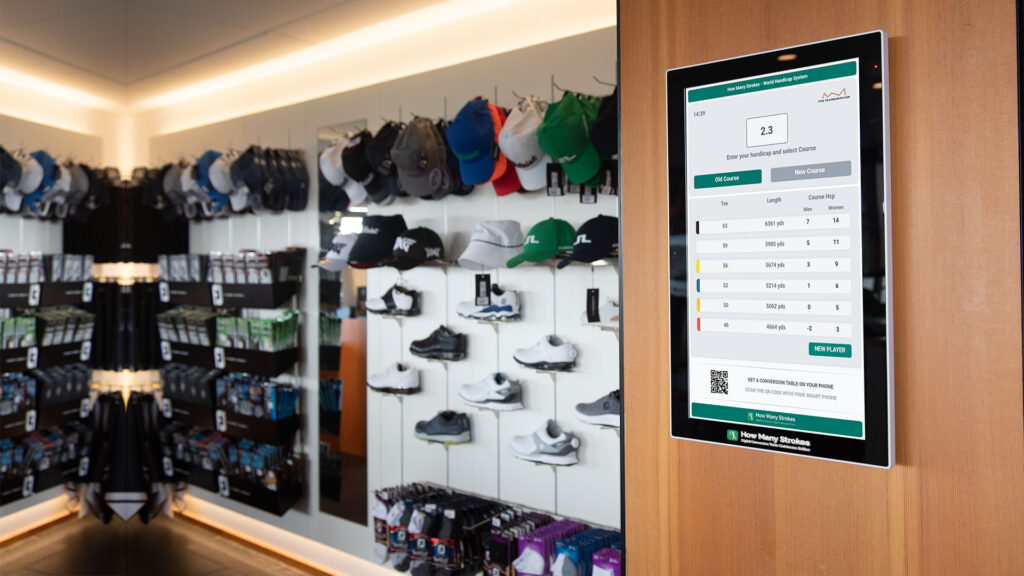
Downloads are easy to celebrate. Habit is harder to earn. A useful club app starts with the practical questions golfers ask before, during and after a round.
Golf Club Insights
Practical Golf Insights on handicapping, pace of play, player behaviour, club technology and course operations for people running modern golf clubs.
25 articles
Club Technology
Downloads are easy to celebrate. Habit is harder to earn. A useful club app starts with the practical questions golfers ask before, during and after a round.
Course Operations
A reading of 120 gravities can describe how quickly an impact hammer stops on a golf green. It may help the course team manage firmness, but does the raw number tell a golfer what…
Course Operations
Green colour is not the same as turf health or playing quality. A club can accept natural summer colour while still holding itself to clear standards for cover, consistency, recovery and playability.
Course Operations
A Stimpmeter reading measures how far a ball rolls. It does not measure smoothness, trueness, turf health, fairness or value. A good green needs a course-specific standard, not the highest number.
Course Operations
Tournament-week presentation can be impressive. Making it the daily promise changes labour, machinery, water, turf stress and recovery. The useful standard is one the course can repeat.
Pace & Behaviour
A single round-time target usually has to fit a four-ball. That makes it too generous for smaller groups and sometimes unfair when they are trapped in four-ball traffic.
Pace & Behaviour
A golf buggy travels faster than a person. A pair of golfers sharing one does not always move around a course faster than four organised walkers. The difference is usually behaviour, routing and course…
Club Technology
Robotic mowers are quieter than conventional machines, but quiet does not automatically mean invisible. Research from Nordic golf courses shows broad player acceptance and identifies the operational details that can still make a robot…
Pace & Behaviour
Ready Golf removes avoidable waiting. It does not ask golfers to run, rush a shot or ignore safety. Taught well, it makes a round calmer as well as quicker.
Pace & Behaviour
Golf allows three minutes to find a ball. It does not require every player in the group to stop for three minutes. A little organisation can protect both fairness and pace.
Pace & Behaviour
Slow rounds are not always created by slow routines. Tees, carries, rough, green speed, hole locations, routing and signage can produce the same delay for group after group.
Pace & Behaviour
An eight-minute interval creates more bookable starts than a ten-minute interval. It can also release groups faster than the course can absorb them. The right answer depends on group size, course flow and what…
Club Technology
A golf club does not need every digital service to work without a connection. It does need to decide which tasks are critical, what information must be current and how staff and golfers continue…
Club Technology
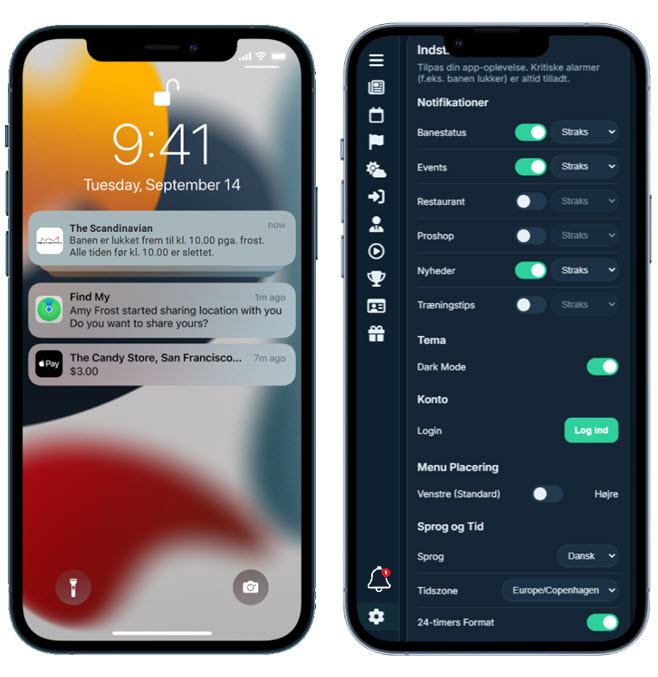
A push notification interrupts a member. That makes it valuable for a closed course or changed tee time, and a poor home for every routine update the club wants to publish.
Club Technology
It is tempting to divide golfers into young app users and older paper users. The available public evidence does not support such a neat answer. Clubs need to distinguish scorekeeping from score submission and…
Club Technology
Members do not care which supplier owns booking, membership, payment, scoring or communication. They care whether the task works. The club needs to own that complete journey.
Club Technology
An open member forum can sound like an obvious way to build community. For many golf clubs, it creates an empty room, a complaint channel or a moderation job instead.
Handicap & Scoring
The Handicap Index follows one global calculation, but the route into that calculation still depends on national choices, digital platforms and club procedures. Travelling golfers notice the difference.
Handicap & Scoring
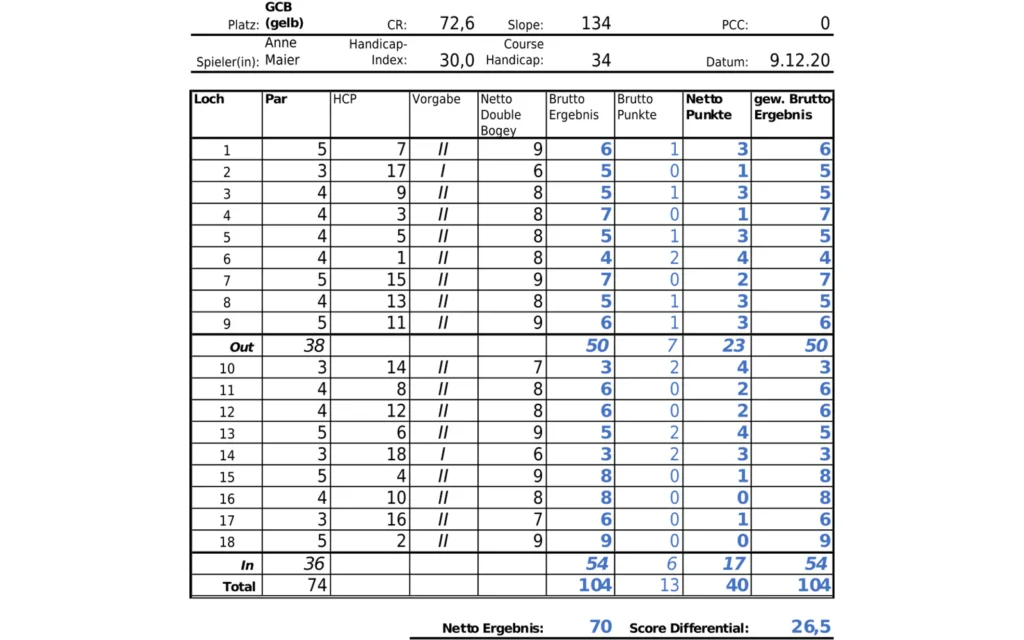
A nine-hole score can be useful handicap evidence, but it is not simply doubled. The current WHS method combines the golf played with an expected result for the rest.
Handicap & Scoring
A valid score can enter your record without changing your Handicap Index. The reason is usually the lowest-eight calculation, the rolling 20-score window or simple rounding, not a broken app.
Course Operations
A temporary green is not automatically a lower standard. Used against clear local thresholds, it can protect the surface that matters for the rest of the season while keeping some golf available.
Course Operations
A responsible frost-delay update can give the current condition, the next review time and the order of play. It cannot always promise the minute when every critical surface will be safe for traffic.
Handicap & Scoring
Software can calculate a Handicap Index and flag an unusual record. It cannot decide whether the cause is improvement, injury, missing information or manipulation. That is still committee work.
Handicap & Scoring
The World Handicap System has made handicaps more portable and brought countries into a common framework. It has not made handicapping simple, identical everywhere or self-managing. For clubs, that distinction matters.
Handicap & Scoring
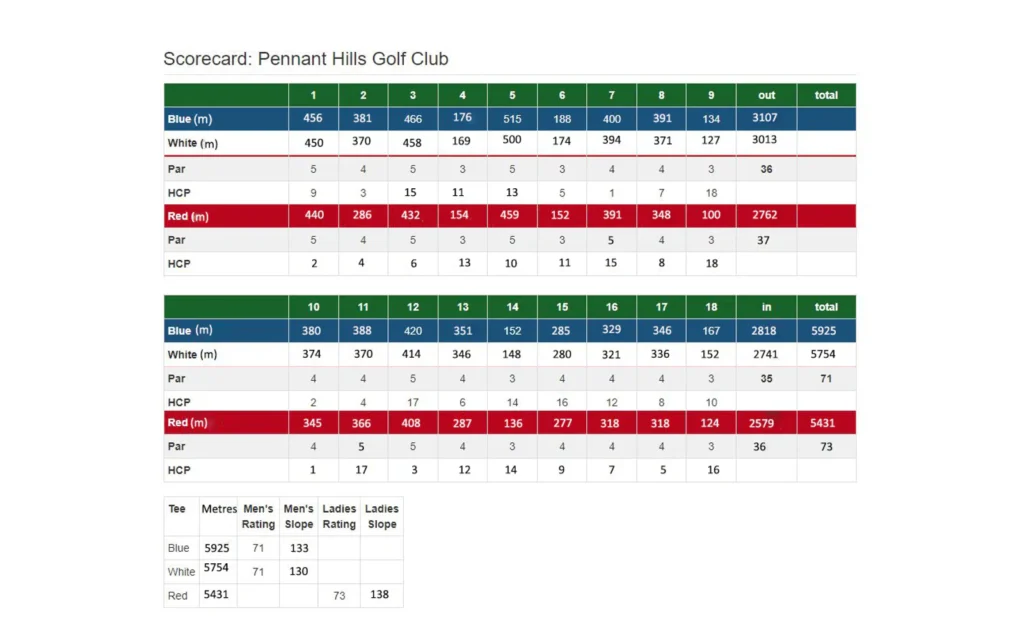
Course Rating, Slope Rating and par answer different questions. Here is why Course Rating minus par changed Course Handicaps in Great Britain and Ireland, and what clubs should explain.
Try a broader search or clear one of the filters.